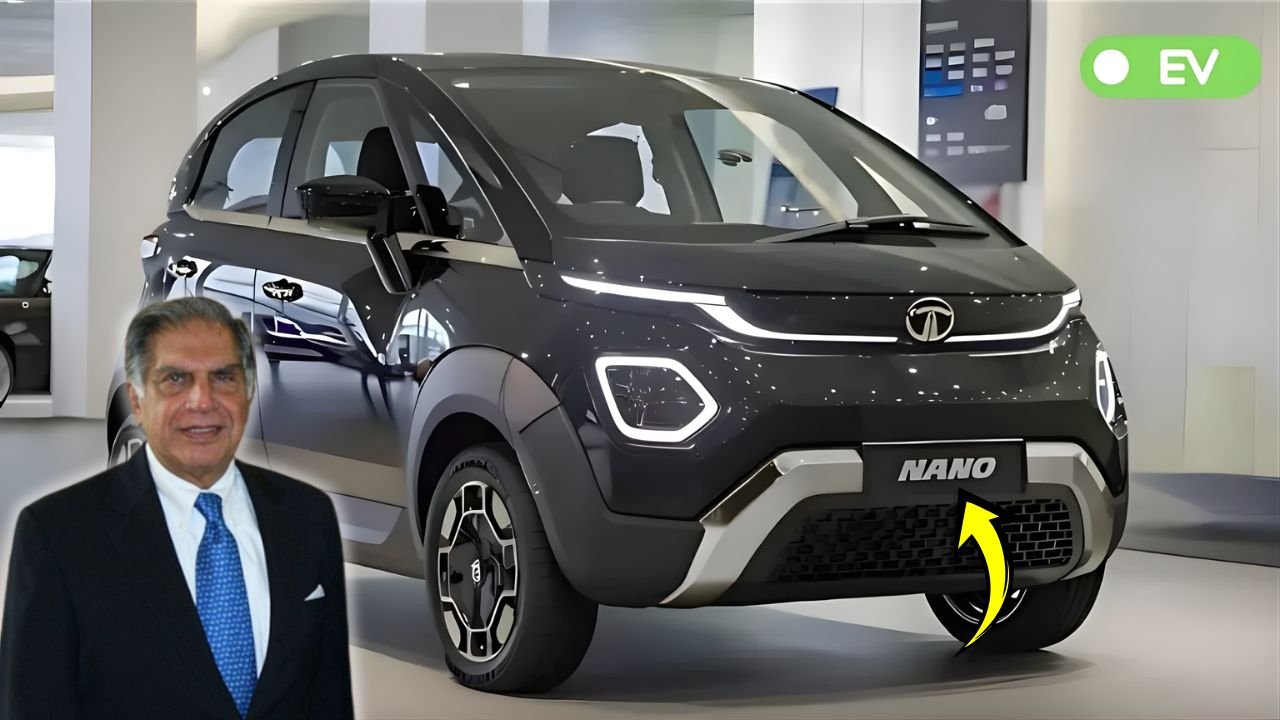
The Tata Nano Electric Car 2026 is being discussed as one of the most interesting comeback ideas in India’s auto market. The original Nano was known for making car ownership affordable, and now the electric version is expected to carry the same vision into the EV era.
This time, the focus is not just on low price, but on creating a practical electric car that can actually work for daily city use. It feels like a concept built around simplicity, efficiency, and real-life usability rather than just numbers.
Compact Design That Fits Perfectly in City Life
The Nano EV is expected to retain its small and compact shape, which has always been its biggest advantage. In crowded cities where space is limited, a car like this naturally feels easier to drive and park.
At the same time, the new version is likely to get updated styling with LED lights and cleaner design elements. This gives it a more modern look while still keeping its original identity intact.

Electric Powertrain Focused on Practical Usage
The Nano EV is expected to come with a small lithium-ion battery setup designed mainly for city driving. Instead of chasing high performance, the focus is on smooth acceleration and easy handling.
In real conditions, this kind of setup works better for daily users who need a simple and reliable car rather than something overly powerful.
Driving Range That Matches Daily Needs
Range expectations for the Nano EV vary, but most estimates suggest around 150 km to 200+ km on a single charge. This makes it suitable for short daily commutes without frequent charging.
For city users, this range is actually more than enough, especially when the car is mainly used for office travel, shopping, and local trips.

Interior That Feels Simple but Functional
Inside the cabin, the Nano EV is expected to offer a clean and practical layout. Features like a digital display, touchscreen system, and basic connectivity may be included to improve daily usability.
It will not feel like a luxury car, but everything is expected to be designed in a way that feels easy to understand and use, especially for first-time car buyers.
Safety Improvements Over Older Model
One of the biggest expected upgrades is in safety. Unlike the older Nano, the EV version is likely to include features like dual airbags, ABS, and a stronger body structure.
These improvements are important because today’s buyers expect better safety, even in budget-friendly cars.

Price That Could Change the EV Market
The Tata Nano Electric Car 2026 is expected to be priced between ₹6 lakh to ₹9 lakh, depending on the variant and features.
If launched at this price, it could become one of the most affordable electric cars in India, making EV ownership accessible to a much wider audience.
Real Value in Everyday Use
What makes the Nano EV interesting is not just the price or range, but the overall concept. Low running cost, minimal maintenance, and easy driving make it a practical option for daily users.
For someone switching from a two-wheeler or buying their first car, this kind of vehicle makes real sense in everyday life.

Conclusion
The Tata Nano Electric Car 2026 is not just a comeback, it represents a shift towards affordable electric mobility. It focuses on what most people actually need, which is simple driving, low cost, and practicality.
If Tata brings this concept to reality with the right pricing and features, the Nano EV could once again become a game changer, this time in the electric vehicle segment.